
How to Start a Gluten-Free, Dairy-Free, and Corn-Free Diet
We’d already done gluten-free and dairy-free before our daughter was diagnosed, so we thought adding corn-free would be manageable. The gluten and dairy parts felt familiar enough.
The corn was different. That first month was a steep learning curve, and most of what we found online was written for American families. This post is what we wish we’d found: what the first month actually looked like, practically, for an Australian family.
Why corn is harder than gluten or dairy
Gluten and dairy have to be declared on Australian labels. Corn doesn’t. Manufacturers aren’t required to flag corn-derived ingredients, which means they can turn up anywhere under names like glucose syrup, dextrose, citric acid, or thickener 1422 with no indication they came from corn.
That’s the core difficulty: you can be reading labels carefully and still miss things, because the system doesn’t require transparency about corn.
Step one: reset the pantry
Before changing anything else, go through the pantry, fridge, and freezer.
For dry goods, we packed everything containing gluten, dairy, or corn into reusable bags and pushed them to the top of the pantry. For fridge items, we used a permanent marker to write the allergen on the lid (gluten, dairy, corn) and moved them to the back. Anything perishable within a week or two went to family or neighbours.
Don’t forget the freezer. It’s easy to overlook.
Foods where corn commonly hides
Once you start looking, corn turns up in places you wouldn’t expect:
- Most gluten-free packaged foods (corn is often the substitute for wheat)
- Sauces, dressings, marinades, and condiments
- Stock cubes and powders
- Non-dairy milks (check for gums and thickeners)
- Processed meats: ham, sausages, deli meats
- Baking mixes, lollies, and many snack foods
What we actually ate in the first month
We kept it simple. A short rotation of meals we knew worked, repeated until we had the confidence to experiment more. Here’s what that looked like:
Breakfast
- Porridge with almond milk, honey, and hemp seeds
- Eggs — boiled, scrambled, or fried in avocado oil
Lunch
- Soup (batch-cooked in large quantities)
- Crunch plate: cut vegetables, hummus, checked ham, rice cakes, pickles (always read labels on both)
- Rice cakes with avocado, cucumber, tomato
- Leftovers
Dinner
- Risotto
- Curry with rice
- Roast meat with vegetables
- Bolognese on baked potato or rice pasta
- Pulled pork with coleslaw
- Stew
Snacks
- Fresh fruit, Medjool dates, nuts
- Coconut yoghurt
- Rice cakes with nut butter
- Plain potato chips (most flavoured chips have corn)
- Bliss balls, date slice
Swaps worth knowing
A few replacements that made a real difference:
- Gravy: chickpea or potato flour instead of wheat flour
- Baking powder: cream of tartar and bicarb soda. Standard baking powder often contains cornstarch although McKenzie’s Baking Powder is made with rice flour and is readily available in Woolworths and Coles
- Stock: make your own, or find a brand you’ve confirmed is corn-free. Most commercial stocks contain corn or gluten.
- Almond meal, tapioca, and rice flour combinations can work well for baking in place of wheat flour
The pizza mission
When we found out our daughter would need to stay on this diet long-term, her first request was pizza. It took a lot of trial and error, but we got there.
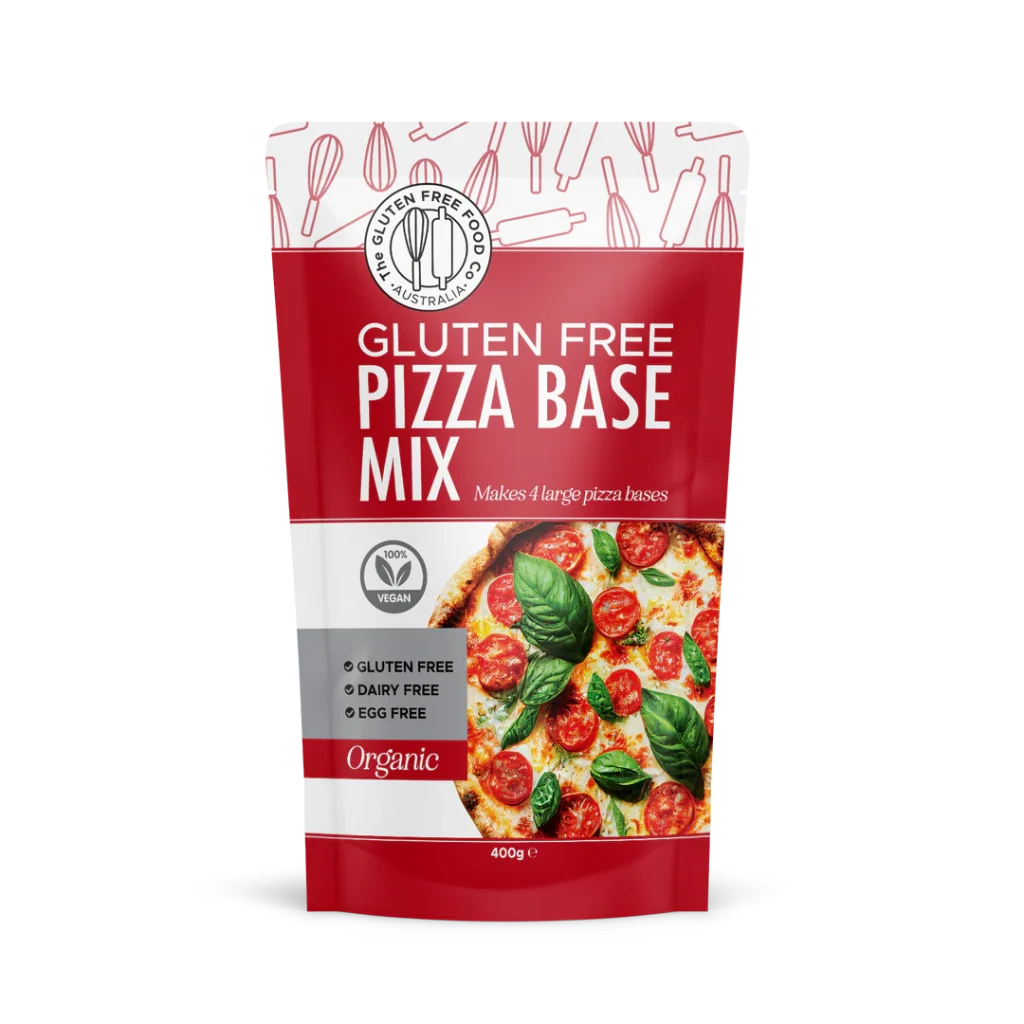
What worked for us: The Gluten Free Company Easy Pizza Mix as a base, with a homemade cashew-based cheese alternative. Pizza night is back on our menu, and that felt like a genuine win.
Practical shopping tips
Alternative products are often more expensive. A few things that helped:
- Shop the sales on safe pantry staples and stock up when you can
- Focus on whole foods given they’re usually cheaper and naturally free of additives
- Build up the freezer with quick meals like soup, bolognese sauce, and curry so there’s always something safe ready
If you want a reference tool for reading labels at the supermarket, the Corn-Free Cheat Sheet covers the most common corn-derived ingredient names in plain language.