
Why You Might Still React to Corn (Even When It’s Not on the Label)
When we first started navigating corn sensitivity, we assumed the main challenge was learning to recognise corn-derived ingredients on labels. That’s true, but there’s another layer that’s less often discussed.
Some people react not to corn ingredients listed on the label, but to chemicals and residues that don’t have to be declared at all. If you’ve been careful with labels and are still reacting, this might be why.
Processing aids that don’t appear on labels
Food manufacturers can use processing aids during production. These are substances that help with the manufacturing process but aren’t required to be listed as ingredients on the final product. They can include:
- Enzymes and acids derived from corn, used to break down starches or sugars during production
- Bleaching or clarifying agents in flours and oils
- Anti-caking agents in powdered foods, sometimes corn-derived
These are present in small amounts, but people with stronger sensitivities may still react to them.
For a broader look at how food standards and processing differ between countries, and why the same food can feel different depending on where it’s made, the food standards post covers that ground.
→ The Hidden Side of Food Standards
Storage chemicals
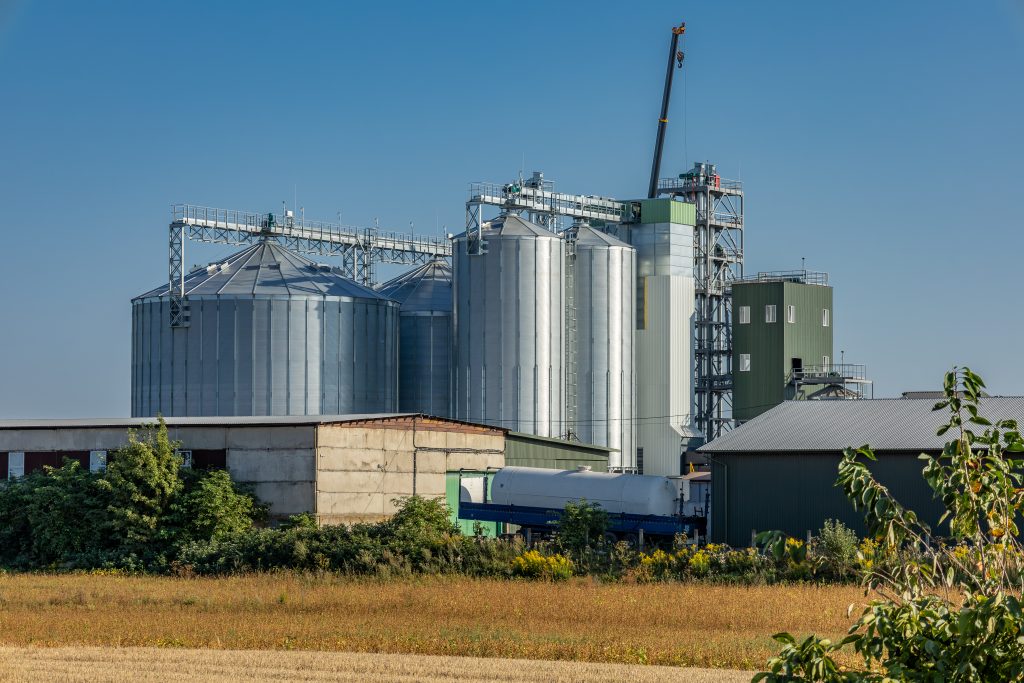
Grains, including rice, oats, and other alternatives that seem safe, are often treated during storage to prevent pests, mould, and spoilage:
- Fumigation gases such as phosphine
- Antifungal sprays that can leave residues
- Dusting agents to prevent clumping, sometimes corn-based
Even products labelled gluten-free and apparently corn-free may carry these residues. This is one of the more frustrating things to discover, because it means a product can look completely fine on paper and still cause a reaction.
Cross-contamination
In large facilities, corn is often stored and transported alongside other grains. Even if a product doesn’t contain corn, it may have been exposed through:
- Shared milling or grinding equipment
- Shared storage silos or transport vehicles
- Airborne dust during processing
What can help
This layer of the picture adds complexity to an already difficult situation. But it can also explain reactions that otherwise don’t make sense, and give you more useful things to try.
- Contact the manufacturer directly. Ask about processing aids, fumigation methods, and whether corn-derived chemicals are used at any stage. Most will tell you if you ask.
- Trial different brands of the same food and track your responses. Some brands of rice or oats may behave differently to others even when the ingredient list looks identical.
- Organic or small-batch producers may use fewer storage chemicals and shorter supply chains.
- Rinsing grains thoroughly before cooking can reduce surface residues.
- Cooking from scratch where possible reduces exposure to hidden processing aids in packaged products.
Understanding this doesn’t mean you need to overhaul everything at once. Start with the foods you eat most often, and work from there.
For practical steps to reduce chemical residue exposure across your whole diet, the companion post covers what you can do at home and in your shopping routine.